History of Latex Balloons: Key Milestones
Key information:
- Before balloons – the history of natural rubber
- Key inventors and technological developments
- Michael Faraday: a balloon pioneer
- Thomas Hancock: the first DIY balloons
- J.G. Ingram: the first balloon
- Neil Tillotson and decorative balloons
- Advances in balloon manufacturing technology
- Uses of latex balloons
- FAQ
Before balloons – the history of natural rubber
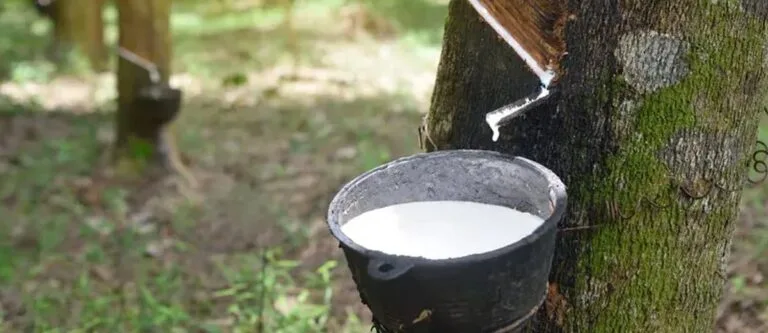
Modern latex balloons are made from a specially prepared latex compound. When filled with air or helium, their flexible surface stretches and takes on the shape of the particular model. Long before modern balloon manufacturing developed, however, people had been using natural latex and rubber for thousands of years. The history of inflatable objects dates back to ancient times, long before latex balloons were invented. Archaeological research indicates that people in Mesoamerica were processing natural latex as early as around 1600 BC. They used latex from the Castilla elastica tree, combining it with juice from Ipomoea alba plants to produce materials with different properties. These materials were used to make rubber balls and other objects. However, these were not balloons as we understand them today: they represent an earlier stage in the history of natural rubber use.The discovery of rubber and early experiments
A key raw material for latex balloons is natural rubber, obtained from Hevea brasiliensis trees in the Amazon region. Indigenous peoples of South America had used it for centuries to make waterproof objects. Natural rubber obtained from latex was flexible, but its unprocessed form had practical limitations. Raw rubber became softer and stickier at high temperatures and could harden at low temperatures. Advances in rubber processing technology during the 19th century were therefore essential to the development of more stable rubber products, including balloons.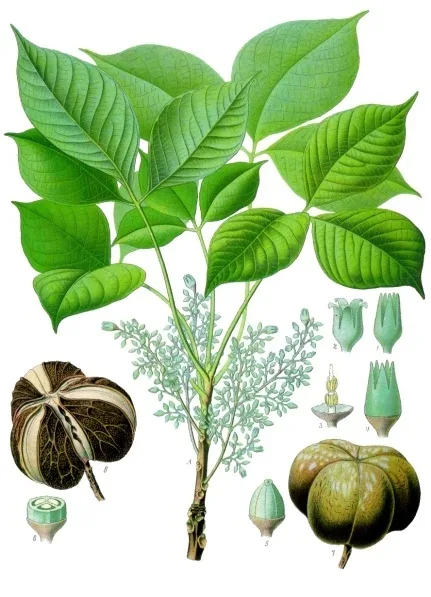
Key inventors and technological developments
The modern latex balloon is the result of several successive advances in rubber technology. The most significant developments took place during the 19th century and the first half of the 20th century.Michael Faraday – the first rubber balloons, 1824
In 1824, Michael Faraday made rubber balloons at the Royal Institution in London for experiments with hydrogen. He made them from two sheets of raw rubber joined together at the edges. He dusted the inside with flour to prevent the opposing surfaces from sticking together. Once filled with hydrogen, the balloons could float.
These were the first well-documented rubber balloons, but their construction differed considerably from modern balloons made from liquid latex. They were used to study gas diffusion and buoyancy. Faraday, known for his discoveries in electromagnetism, did not foresee their potential as toys. For him, they were laboratory equipment, but his work paved the way for further innovation.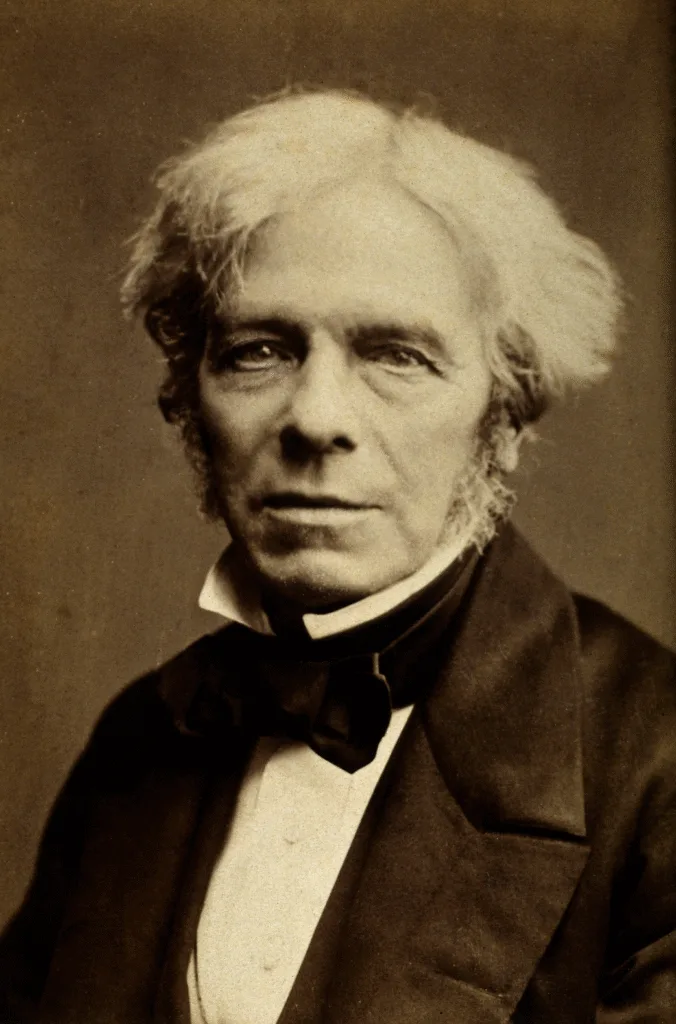
Thomas Hancock – the first DIY balloon kits, 1825
As early as 1825, Thomas Hancock began offering kits for making rubber balloons at home. Each kit contained a rubber solution and a syringe for forming and inflating the balloon. This marked one of the first steps in the transition from experimental rubber balloons to a commercially available product.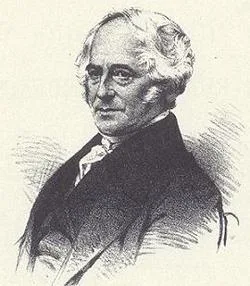
Charles Goodyear: a breakthrough in vulcanisation
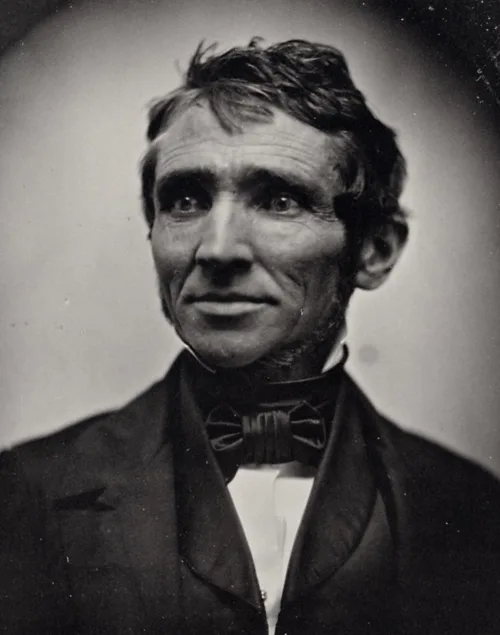
In 1839, Charles Goodyear made a breakthrough in stabilising rubber using sulphur and heat. The process, known as vulcanisation, produced rubber with much more stable properties in use than raw rubber. Goodyear received a US patent relating to this process in 1844.
Vulcanisation reduced problems associated with raw rubber, including excessive softening in warm conditions and hardening in the cold, making it possible to manufacture more durable rubber products.
J.G. Ingram – vulcanised rubber toy balloons, 1847
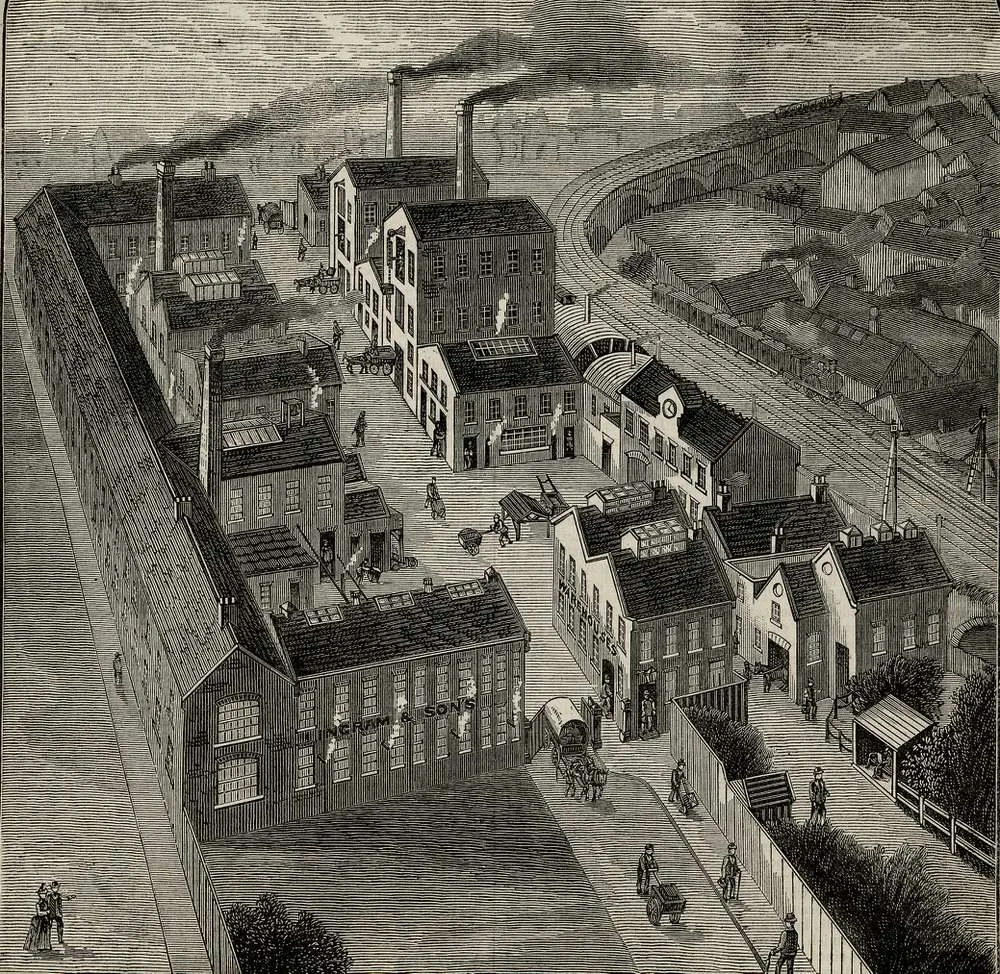
In 1847, James George Ingram began producing vulcanised rubber balloons in London. They had more stable properties than earlier products made from raw rubber and are regarded as an important precursor to modern toy balloons.
Neil Tillotson – the development of the modern liquid latex balloon, 1931
In 1931, Neil Tillotson, who had previously worked at the Hood Rubber Company, experimented with liquid latex. He made balloons shaped like a cat’s head, which attracted the interest of a Boston novelty shop. The shop ordered around 2,000 balloons for the Patriots’ Day parade. Following the success of this sale, Tillotson began manufacturing balloons independently. According to the New Hampshire Charitable Foundation, his company produced approximately 5 million balloons in its first year.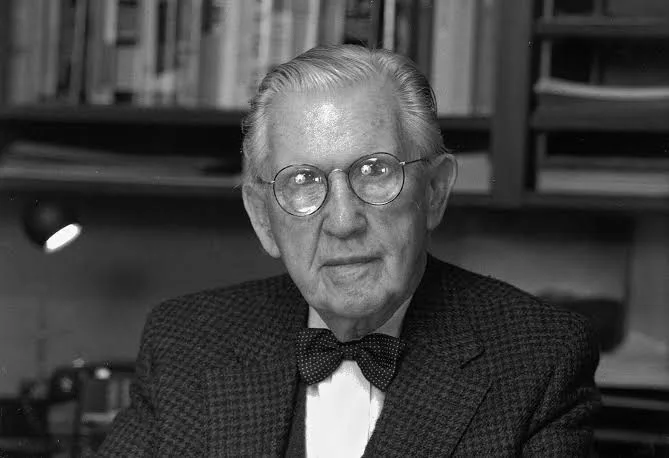
Everts-Pol – manufacturing latex balloons since 2000
Although the history of Everts-Pol began earlier, the company started manufacturing its own latex balloons in 2000. Since then, it has continued to develop balloon production in Poland, alongside technologies for balloon personalisation and printing.
You can learn more about the modern manufacturing process on our page dedicated to latex balloon production.
The history of latex balloons – key dates
From the earliest uses of natural latex to modern balloon manufacturing, explore the key milestones in their development.
-
Around 1600 BC
Documented processing of natural latex in Mesoamerica.
-
1824
Michael Faraday makes rubber balloons for experiments with hydrogen.
-
1825
Thomas Hancock offers kits for making rubber balloons at home.
-
1839
Charles Goodyear makes a breakthrough in rubber vulcanisation.
-
1844
Charles Goodyear receives a US patent relating to the vulcanisation process.
-
1847
J.G. Ingram produces vulcanised rubber toy balloons.
-
1931
Neil Tillotson develops balloon manufacturing using liquid latex.
-
2000
Everts-Pol begins manufacturing its own latex balloons.
Everts-Pol
Advances in balloon manufacturing technology
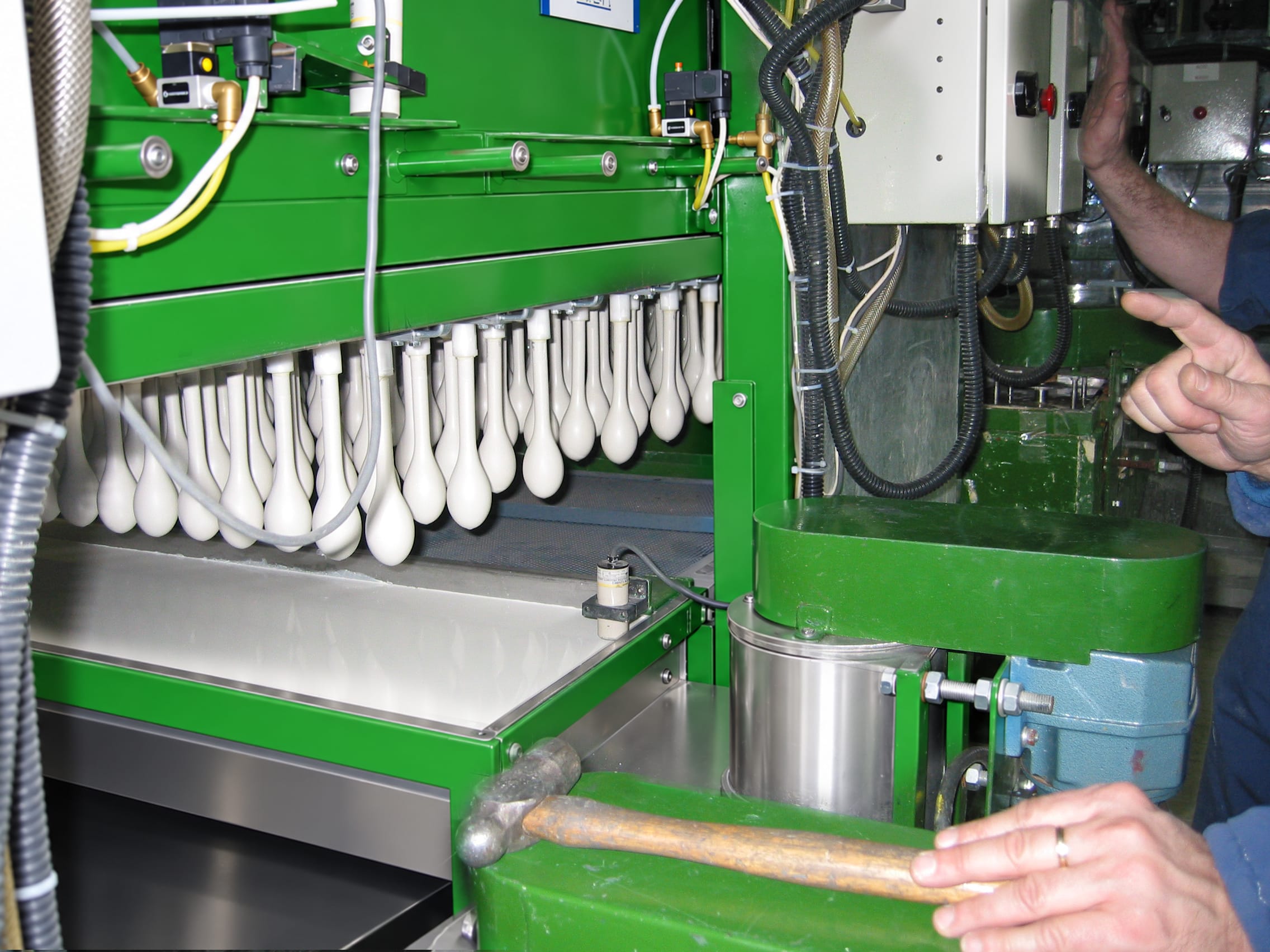
During the 20th century, advances in liquid latex processing and production automation made it possible to manufacture balloons in large quantities with consistent sizes, shapes and colours. Modern latex balloon manufacturing uses moulds dipped into a prepared latex compound. The subsequent stages include forming, drying, heat treatment and inspection of the finished product.
Automation also enabled manufacturers to develop a wide range of sizes, shapes and colour options.
Uses of latex balloons
Latex balloons are used in many fields, from science to entertainment and advertising.- Event decorations: Latex balloons are used to decorate birthdays, weddings, corporate events and other celebrations. Air-filled balloons are used in garlands, arches and balloon walls, while helium is used when balloons need to float.
- Advertising and marketing: Custom printed balloons are also used at trade shows, events and promotional campaigns. Printing makes it possible to display a logo, brand name or short advertising message on the balloon’s surface.