Latex balloons can be used in winter decorations, but low temperatures and outdoor conditions need to be considered from the planning stage. As the temperature drops, the volume of gas inside a balloon changes. Outdoors, wind, precipitation, securing methods and contact with the supporting structure also matter.
Winter decorations therefore need a different approach from displays kept at a stable indoor temperature. The key considerations are the inflation method, a stable structure, transport, weather conditions and careful installation.
What happens to a balloon when the temperature drops?
Several factors affect the appearance of an inflated balloon in winter. The most noticeable is the change in gas volume, but the inflation method, decoration structure, wind, friction and contact with sharp or rough surfaces also play a role.
The volume of gas changes
As the temperature drops, the properties of the gas inside a flexible balloon change. A balloon inflated in a warm room and taken outdoors may therefore shrink and look less inflated.
This does not necessarily indicate a product defect. If the balloon has not been damaged or lost a significant amount of gas, its volume may increase again as it warms up.
In practice, this change may be more noticeable in dense garlands and balloon walls, as larger gaps can appear between the balloons when the display is taken into the cold.
Material and outdoor conditions
There is no single temperature below which every latex balloon automatically becomes brittle or starts to burst. The behaviour of the finished product depends on its composition, inflation level, surrounding conditions and how it is used.
In winter, it is particularly important to minimise mechanical stress on balloons. During installation, avoid sharp edges, rough surfaces, excessive friction and parts of the structure that balloons may repeatedly strike in the wind.
Helium or air in winter?
There is no single answer that suits every decoration. However, air is often more practical for outdoor winter displays because the balloons are attached to a frame and do not need to float.
Criterion
Air
Helium
Does the balloon float?
No
Yes, provided the balloon model and inflation level give it sufficient lift
Change in volume as the temperature drops
Possible
Possible
Effect of wind
Primarily relevant to the structure as a whole
Particularly important for individual floating balloons
Decorations on a frame
A practical option
Helium is not needed to hold balloons in the structure
Suitability for a winter display
Depends on the design and structure
Depends on the design, conditions and securing method
For many winter decorations on frames, air is simply more practical because the balloons do not need to float.
Find ideas for these structures in our guide to balloon decorations without helium.
Temperature changes during transport and installation
Moving a finished decoration from a heated room to an outdoor location can cause a noticeable change in balloon volume. However, this does not mean that every sudden temperature change automatically causes multiple balloons to burst.
When planning dense garlands and balloon walls, allow for the fact that the arrangement may look slightly different in the cold from how it looked immediately after preparation in a warm room.
Do not try to compensate for this effect by overinflating the balloons. Each balloon should be inflated to the recommended size for that particular model.
Where should you prepare balloons?
Prepare balloons in conditions that allow proper, controlled inflation.
We do not recommend chilling uninflated balloons in freezing conditions before inflating them. Uninflated products should be kept under the recommended storage conditions.
If the finished decoration will be displayed at a much lower temperature than the preparation area, allow for the possibility that the gas volume will decrease once it is taken outdoors.
Transport and storage in winter
Winter transport should primarily protect balloons from moisture, dirt and mechanical damage.
Do not leave stock in an unheated vehicle for extended periods.
We recommend storing uninflated Everts-Pol balloons at a stable temperature above +5°C.
Protect packaging from moisture.
It is best to keep balloons in their original packaging or a securely closed package.
Transport balloons in packaging that protects them from crushing and abrasion.
This is particularly important for larger orders transported alongside other decoration components.
Secure finished decorations to prevent movement during transport.
Friction against vehicle interiors or parts of the frame can cause mechanical damage.
You can find our full storage recommendations in the separate guide to storing latex balloons.
How to choose balloon sizes for winter decorations
There is no basis for a simple rule that larger balloons are always more vulnerable to freezing conditions and smaller balloons are always more resistant.
Choose balloon sizes primarily according to:
the type of structure,
the intended effect,
the available space,
the securing method,
the conditions at the installation site.
For larger balloons displayed outdoors, also consider the effect of wind on the entire structure and plan suitable securing methods.
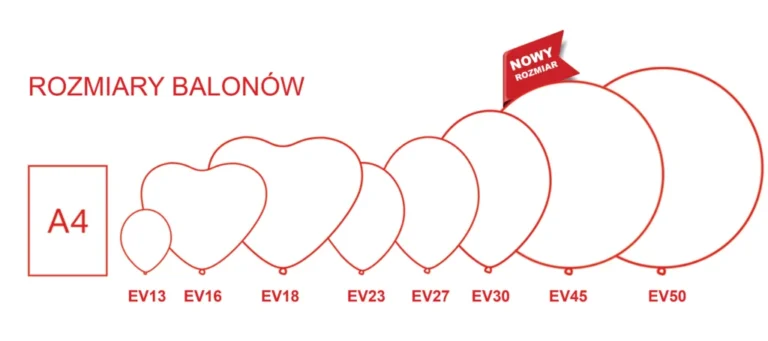
For detailed information about EV13, EV23, EV27, EV30 and EV45, see our guide to latex balloon sizes.
How to choose colours for a winter display
Winter decorations can feature many different colour palettes. Popular choices include white, silver, navy blue, light blue, red and chrome finishes.
White and silver can create a bright, wintry base for your arrangement. Explore our
white balloons.
Chrome and metallic finishes can work well with decorative lighting. Explore our
chrome balloons.
Light blue and navy blue work well in displays with a cool winter colour palette.
Red can provide a stronger accent in Christmas and December decorations.
Choose colours to suit the background, lighting and character of the event. For an important project, view a sample arrangement beforehand at the venue or under conditions similar to those of the final display.
Winter installation checklist
Check the forecast – temperature, wind and precipitation.
Plan a stable way to secure the decoration.
Do not exceed the recommended size for the specific balloon model.
Do not try to compensate for low temperatures by overinflating balloons.
Protect balloons from sharp and rough parts of the frame.
If transporting a finished decoration, allow for changes in balloon volume when it is taken into the cold.
Bring spare balloons in case of damage during transport or installation.
For an important project, carry out a trial beforehand under conditions similar to those expected at the event.
Collect all balloons and securing accessories after the event. Do not release balloons into the atmosphere.
Winter decorations for businesses
For winter business events – such as openings, fairs, promotional events or Christmas gatherings – plan not only the installation but also the time needed to prepare custom printed balloons.
For printed orders of up to 25,000 balloons, the standard lead time is up to 5 working days from receipt of payment and approval of the digital proof. Larger orders are scheduled individually.
For current information about printing technologies, minimum order quantities and the ordering process, visit our
Everts-Pol custom printed balloons page.
FAQ – frequently asked questions
Are latex balloons suitable for outdoor winter decorations?
Yes, latex balloons can be used in outdoor winter decorations, but their performance depends on temperature, wind, precipitation, inflation method, structure and display duration. For an important project, carry out a trial beforehand under conditions similar to those expected at the event and have spare balloons ready.
Why do balloons look less inflated when taken outside in freezing weather?
As the temperature drops, the volume of gas inside a flexible balloon may decrease. This can make a balloon look less inflated after it is taken out of a heated room. If it has not been damaged or lost a significant amount of gas, its volume may increase again as it warms up.
Do balloons burst more often in winter?
There is no single rule that applies to all temperatures, balloon models and conditions. In winter, wind, friction against the structure, sharp surfaces, inflation level and installation methods also matter. For outdoor decorations, minimise mechanical stress on balloons and have spares ready.
How long does an air-filled balloon retain its appearance?
There is no universal duration. It depends on the balloon model, surrounding conditions, temperature, sunlight, inflation method and display location. An air-filled balloon does not need to generate lift, so it can be a practical choice for decorations on frames, including in winter.
Can balloons be inflated in advance and transported ready to use?
Yes, but when moving a finished decoration from a warm room into a much colder environment, allow for the possibility that the balloons will shrink. This is particularly important for dense balloon walls and garlands. The finished structure must also be properly secured during transport.
How should you transport balloons on a freezing day?
Uninflated balloons are best transported in closed packaging that protects them from moisture, dirt and mechanical damage. Do not leave them in an unheated vehicle for extended periods. Secure finished decorations to prevent movement and friction against the vehicle or frame.
Planning a winter balloon display?
As a Polish latex balloon manufacturer, we offer balloons in a range of sizes and colours and fulfil custom printed balloon orders.
For a winter project, let us know the planned event date, the number of balloons required and the type of order. For custom printed balloons, we can also check the artwork before production begins.
Contact Everts-Pol to discuss an order for your project.
The balloon in mouth warning symbol on Everts-Pol packaging conveys two messages: do not inhale gas from balloons and do not inflate them by mouth. Discover how this pictogram differs from the under-eight warning and the pump symbol, and learn how to follow the instructions on your balloon packaging.
The pump symbol on balloon packaging highlights the recommended way to inflate your balloons. Discover how to use a manual or electric pump, monitor balloon size and avoid overinflation. The guide also explains the importance of adult supervision and following all warnings on the packaging.
Find balloon colour combinations to complement your wedding style. Explore palettes for rustic, boho, glamour and minimalist celebrations, with practical ideas for garlands, arches and photo backdrops. Learn how to coordinate balloons with flowers, table settings and your venue.
Bring your First Communion decorations together with personalised latex balloons. Explore white and gold designs, soft pastel combinations and ideas for bouquets, garlands, columns and photo backdrops. Learn how to coordinate printed balloons with flowers and table décor, plan quantities and check personalised details before approving your artwork.
Give your local business a colourful touch with custom printed balloons. Discover practical ways to use them in restaurants, cafés and shops, from entrance decorations to grand openings and seasonal promotions. Learn how to choose colours, sizes and print options that suit your brand and budget.
Discover which balloon sizes work best for garlands, bouquets and ceiling decorations. Find practical tips and examples to help you choose the right size for your display.